
Chemical Munition Type 1 Inert Drone Training Aid
Inert Replica UAV-Delivered Chemical Munition for Counter-UAS, EOD, HAZMAT, and Law Enforcement Training (U.S. Border / Latin America Threat Context)
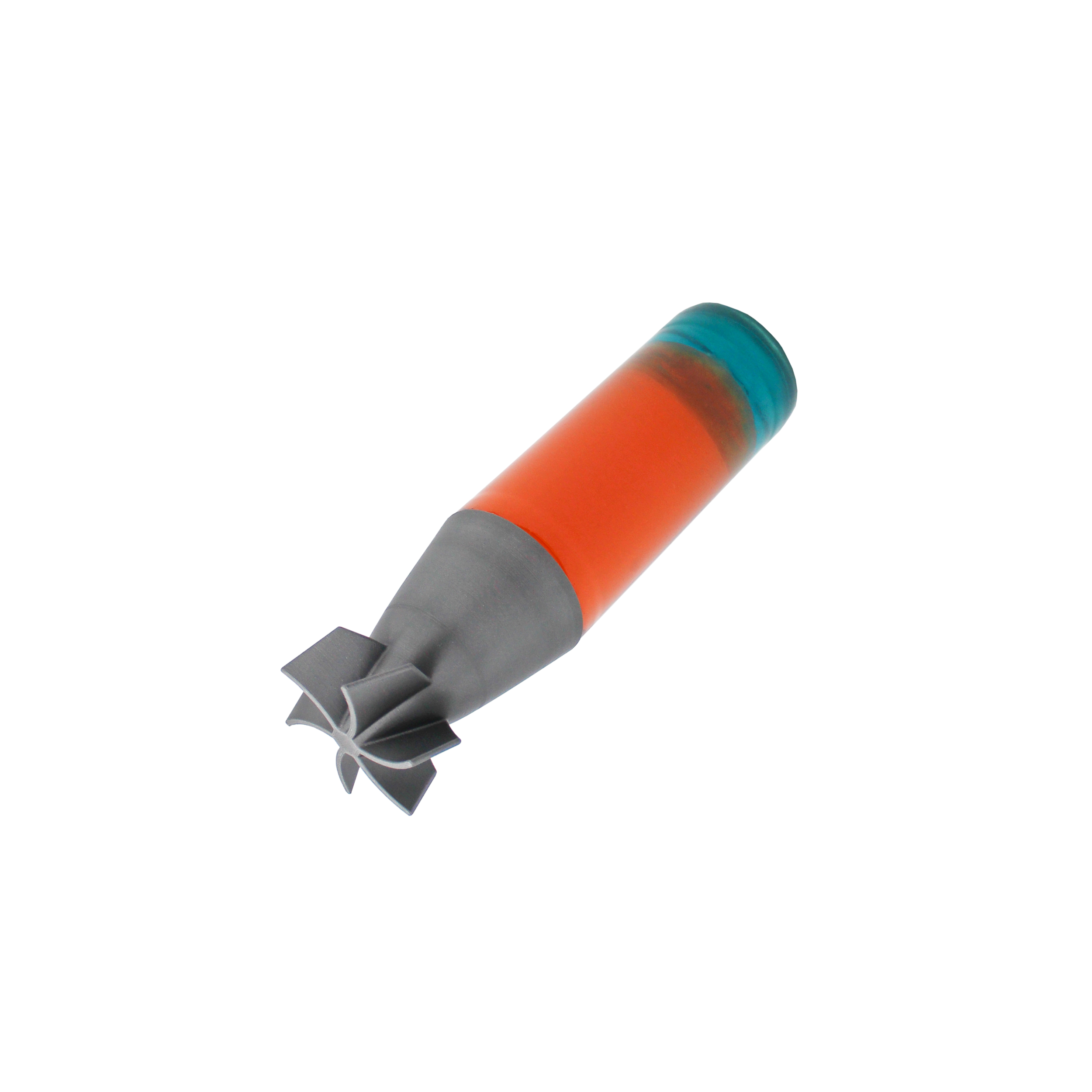
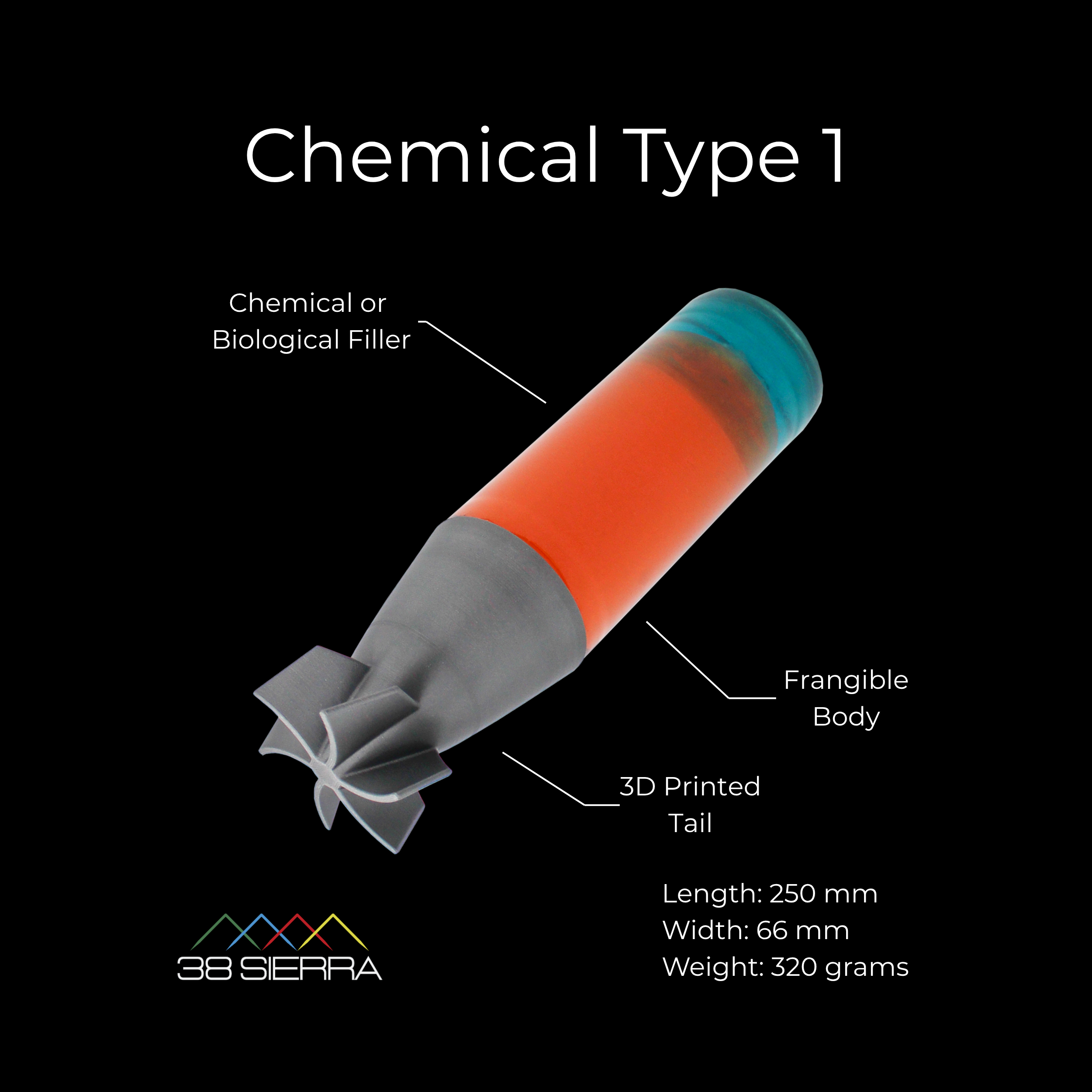
This inert Chemical Munition Type 1 drone training aid replicates an improvised aerial-delivered chemical munition consistent with devices observed in Latin America and along the U.S. border region that have been configured for deployment from unmanned aerial systems. It is designed to support personnel in recognizing and safely responding to drone-delivered chemical threats, including dispersal devices intended to release toxic industrial chemicals (TICs) or other hazardous substances.
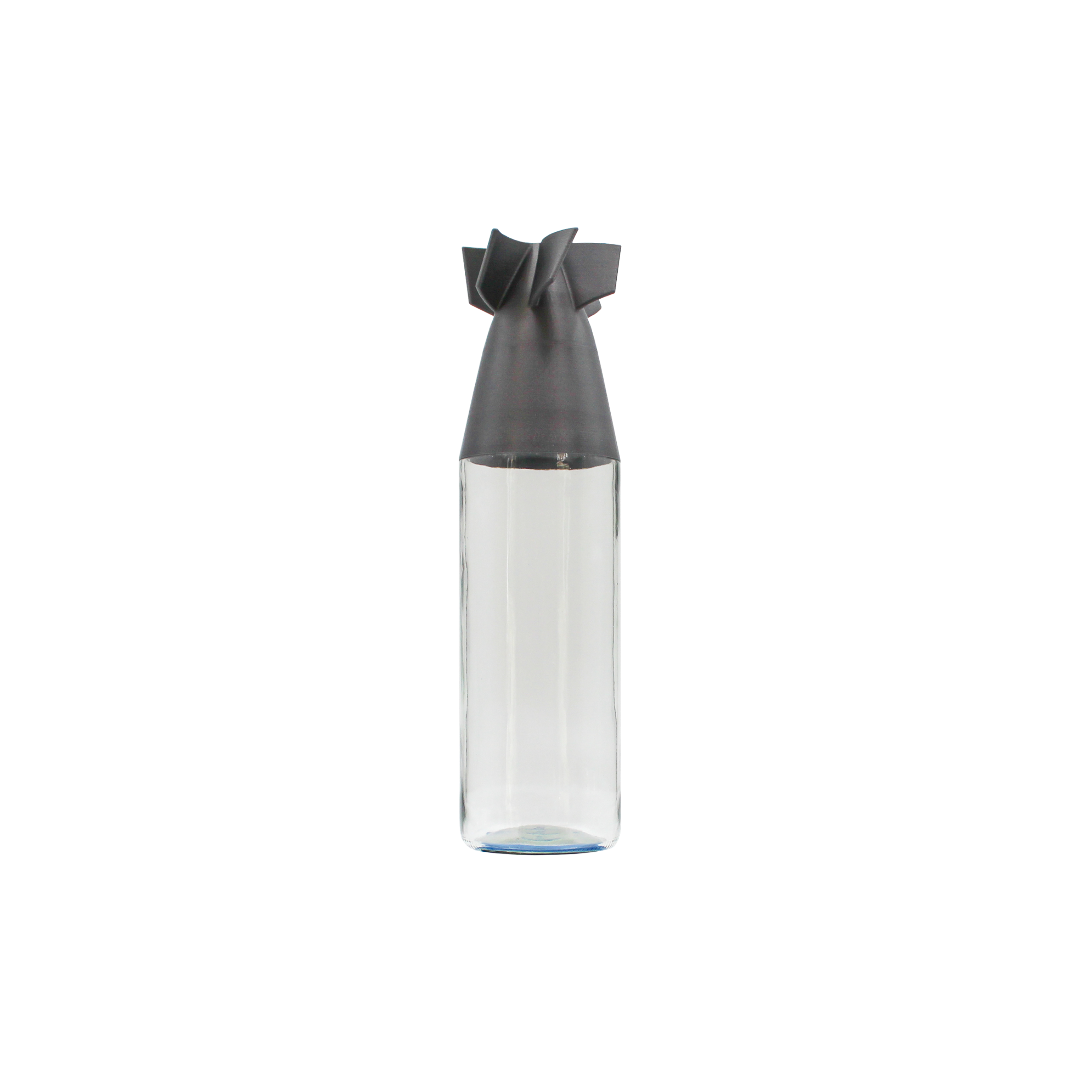
This type of munition represents a class of improvised chemical dispersal devices that utilize containers such as glass or plastic vessels to deliver chemical agents via drone platforms. Documented examples include configurations designed to disperse pesticides or other toxic substances through impact breakage or aerosolization methods . These systems may be deployed as bomblets or through spray mechanisms, depending on the intended effect and available materials.
The use of drone-delivered chemical munitions by organized criminal groups highlights an evolving threat that combines unmanned aerial systems with chemical hazard exposure. These devices are often intended to produce psychological effects, disrupt operations, or create hazardous environments rather than mass casualty events, though the potential for harm remains significant.
38 Sierra’s Chemical Munition Type 1 training aid provides a realistic, inert replica representation to support counter-UAS training, Improvised Explosive Device (IED) training aid applications, HAZMAT response training, and drone munition recognition, including integration into Drone Incident Response Training (DIRT) and broader drone threat response procedures.
This training aid does not contain any chemical filler. Any internal contents or materials depicted are for demonstration purposes only and do not represent active chemical agents.
Training Applications
This training aid supports instruction across operational environments where drone-delivered chemical munitions, aerial hazard dispersal devices, and emerging domestic drone threats are a concern.
Core Training Uses:
Recognition of drone-delivered chemical dispersal devices and aerial hazard payloads
Counter-UAS response procedures for grounded or recovered drones
Bomb squad, EOD, and HAZMAT response training integration
Law enforcement and security personnel hazard awareness
Military and critical infrastructure protection exercises
Scenario-Based Training:
Drone crash or forced landing response
Suspicious chemical payload recovery
Response to drone overflight involving potential chemical dispersal
Hazard zone identification and initial response actions
Critical infrastructure protection scenarios involving chemical threats
Product Specifications
Length: 250 mm
Width: 66 mm
Weight: 320 grams
Operational Context: U.S. Border and Latin America
The emergence of drone-delivered chemical munitions by organized criminal groups in Latin America, including cartel activity in Mexico, represents a significant evolution in threat capabilities. These devices have been observed utilizing toxic substances such as pesticides and other hazardous chemicals, which are dispersed through improvised delivery systems .
Documented incidents include drone-deployed chemical bomblets and dispersal devices designed to release powders, liquids, or aerosolized substances upon impact or through spraying mechanisms. Reported effects have included respiratory irritation, skin exposure hazards, and psychological impact on targeted populations .
While these devices are often used to generate fear or disrupt operations, their potential to create hazardous environments makes them a growing concern for domestic security and emergency response personnel. The proximity of these activities to the United States underscores the importance of preparedness among law enforcement, bomb squads, EOD teams, and HAZMAT personnel.
Training with realistic inert drone munition training aids allows personnel to safely develop recognition skills and response procedures for chemical hazard scenarios associated with drone threats.
View More Inert Drone Munitions Training Aids
Product Features
Accurate inert replica of an improvised drone-delivered chemical munition
Represents emerging chemical drone threats observed in Latin America and near the U.S. border
Designed for counter-UAS, EOD, and HAZMAT training scenarios
Reinforces recognition of drone-delivered chemical hazard devices
Durable construction for repeated field and classroom use
Safe, inert design with no hazardous materials
No chemical filler — contents shown are for demonstration purposes only
Related Training Focus Areas
This product supports training across:
Inert drone munition training aids
Counter-UAS and grounded drone response
Improvised Explosive Device (IED) recognition
HAZMAT and chemical hazard response
Inert Replica UAV-Delivered Chemical Munition for Counter-UAS, EOD, HAZMAT, and Law Enforcement Training (U.S. Border / Latin America Threat Context)
This inert Chemical Munition Type 1 drone training aid replicates an improvised aerial-delivered chemical munition consistent with devices observed in Latin America and along the U.S. border region that have been configured for deployment from unmanned aerial systems. It is designed to support personnel in recognizing and safely responding to drone-delivered chemical threats, including dispersal devices intended to release toxic industrial chemicals (TICs) or other hazardous substances.
This type of munition represents a class of improvised chemical dispersal devices that utilize containers such as glass or plastic vessels to deliver chemical agents via drone platforms. Documented examples include configurations designed to disperse pesticides or other toxic substances through impact breakage or aerosolization methods . These systems may be deployed as bomblets or through spray mechanisms, depending on the intended effect and available materials.
The use of drone-delivered chemical munitions by organized criminal groups highlights an evolving threat that combines unmanned aerial systems with chemical hazard exposure. These devices are often intended to produce psychological effects, disrupt operations, or create hazardous environments rather than mass casualty events, though the potential for harm remains significant.
38 Sierra’s Chemical Munition Type 1 training aid provides a realistic, inert replica representation to support counter-UAS training, Improvised Explosive Device (IED) training aid applications, HAZMAT response training, and drone munition recognition, including integration into Drone Incident Response Training (DIRT) and broader drone threat response procedures.
This training aid does not contain any chemical filler. Any internal contents or materials depicted are for demonstration purposes only and do not represent active chemical agents.
Training Applications
This training aid supports instruction across operational environments where drone-delivered chemical munitions, aerial hazard dispersal devices, and emerging domestic drone threats are a concern.
Core Training Uses:
Recognition of drone-delivered chemical dispersal devices and aerial hazard payloads
Counter-UAS response procedures for grounded or recovered drones
Bomb squad, EOD, and HAZMAT response training integration
Law enforcement and security personnel hazard awareness
Military and critical infrastructure protection exercises
Scenario-Based Training:
Drone crash or forced landing response
Suspicious chemical payload recovery
Response to drone overflight involving potential chemical dispersal
Hazard zone identification and initial response actions
Critical infrastructure protection scenarios involving chemical threats
Product Specifications
Length: 250 mm
Width: 66 mm
Weight: 320 grams
Operational Context: U.S. Border and Latin America
The emergence of drone-delivered chemical munitions by organized criminal groups in Latin America, including cartel activity in Mexico, represents a significant evolution in threat capabilities. These devices have been observed utilizing toxic substances such as pesticides and other hazardous chemicals, which are dispersed through improvised delivery systems .
Documented incidents include drone-deployed chemical bomblets and dispersal devices designed to release powders, liquids, or aerosolized substances upon impact or through spraying mechanisms. Reported effects have included respiratory irritation, skin exposure hazards, and psychological impact on targeted populations .
While these devices are often used to generate fear or disrupt operations, their potential to create hazardous environments makes them a growing concern for domestic security and emergency response personnel. The proximity of these activities to the United States underscores the importance of preparedness among law enforcement, bomb squads, EOD teams, and HAZMAT personnel.
Training with realistic inert drone munition training aids allows personnel to safely develop recognition skills and response procedures for chemical hazard scenarios associated with drone threats.
View More Inert Drone Munitions Training Aids
Product Features
Accurate inert replica of an improvised drone-delivered chemical munition
Represents emerging chemical drone threats observed in Latin America and near the U.S. border
Designed for counter-UAS, EOD, and HAZMAT training scenarios
Reinforces recognition of drone-delivered chemical hazard devices
Durable construction for repeated field and classroom use
Safe, inert design with no hazardous materials
No chemical filler — contents shown are for demonstration purposes only
Related Training Focus Areas
This product supports training across:
Inert drone munition training aids
Counter-UAS and grounded drone response
Improvised Explosive Device (IED) recognition
HAZMAT and chemical hazard response