
Drone Incident Response Training (DIRT) for Aviation and Airport Security
Counter-UAS Training for Aviation Security, Airport Operations, and Airfield Response Personnel
Drone incidents are no longer limited to airspace security. For aviation and airport operators, the more immediate operational challenge often begins after a drone is on the ground.
A grounded, crashed, abandoned, or suspicious drone on or near airport property creates an aviation security problem, a safety problem, and an operational continuity problem. Whether the aircraft is conducting surveillance, interfering with operations, testing security posture, or carrying a hazardous payload, the first personnel to encounter it are unlikely to be a Bomb Squad or EOD Team. In most cases, the initial response will fall to airport security personnel, operations staff, airfield personnel, supervisors, or response teams responsible for protecting personnel, preserving safety, maintaining operational continuity, and coordinating follow-on response.
Drone Incident Response Training (DIRT) for Aviation and Airport Security is a counter-UAS training course focused on the operational problem most aviation organizations are least prepared for: what to do after the drone is on the ground.
DIRT provides practical grounded-drone response training for aviation and airport security personnel, with instruction focused on hazard recognition, safe assessment, operational control, coordinated escalation, and continuity of operations during drone-related incidents.
Why DIRT for Aviation and Airport Security
Most counter-UAS training focuses on detection, airspace monitoring, and drone interdiction. Far fewer aviation organizations are prepared for what happens after the drone is on the ground.
For aviation and airport operators, this is the point where operational risk becomes immediate.
A suspicious drone discovered near a runway, taxiway, apron, terminal, perimeter, cargo area, fuel point, access gate, or restricted movement area may represent more than an airspace violation or nuisance event. It may indicate surveillance, security testing, operational disruption, contraband delivery, or a potential hazardous payload.
In these environments, even a single grounded drone incident can disrupt movement, delay operations, expose vulnerabilities, interrupt access, and create unnecessary risk to personnel, aircraft, infrastructure, and continuity of operations.
DIRT addresses the operational gap between drone detection and specialized response by providing personnel with practical procedures for grounded drone incidents before they escalate into larger aviation safety, security, or continuity problems.
Who This Course Is For
Airport Security Personnel
Airport Operations Personnel
Airfield Operations Personnel
Airport Police and Public Safety Personnel
Terminal and Access Control Supervisors
Airside and Landside Security Personnel
Emergency Response and Safety Personnel
Supervisors and Operations Managers
Aviation Security and Risk Personnel
This training is intended for personnel responsible for aviation safety, operational continuity, access control, and initial response to suspicious drone activity on or near airport property.
What This Training Covers
DIRT for Aviation and Airport Security focuses on practical grounded drone response procedures for aviation environments where safety, operational control, and continuity of operations must be preserved.
Instruction is built around the operational realities of airport and aviation security environments and focuses on organizational readiness, safe decision-making, incident reporting, coordinated escalation, and operational continuity before specialized assets arrive.
Grounded drone hazard recognition
Safe assessment procedures
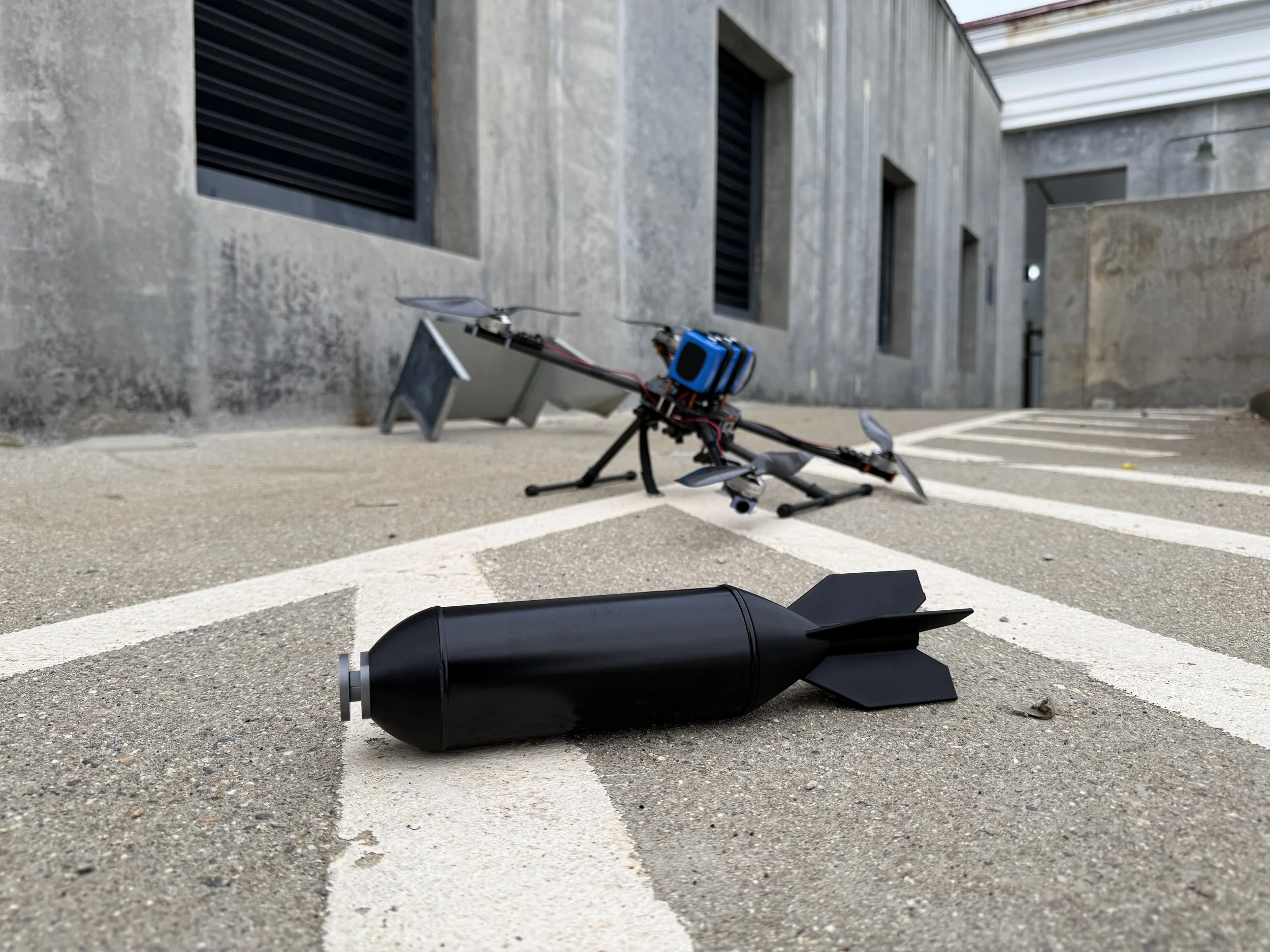
Suspicious payload and dropped munition recognition
Scene security and access control
Protective standoff and personnel safety
Reporting and escalation procedures
Evidence and intelligence preservation
Coordination with Bomb Squad, EOD, law enforcement, and aviation response partners
Continuity of operations during drone-related incidents
Training is designed to improve the ability of aviation and airport personnel to make safe, informed decisions during the earliest stages of a drone-related incident while protecting personnel, preserving safety, and reducing unnecessary disruption to airport operations.
Course Delivery Options
DIRT for Aviation and Airport Security is available in three course formats to support varying operational requirements, training objectives, and resource availability.
Basic
4 Hours (Half Day)
Designed for personnel who require foundational awareness of grounded drone hazards, safe assessment, operational control, and reporting procedures.
Best suited for:
Awareness training
Executive exposure
Security team orientation
Initial airport familiarization
Intermediate
16 Hours (2 Days)
Designed for personnel who require a more operational understanding of grounded drone response, including practical exercises, scenario-based decision making, and integration of grounded drone response procedures into existing aviation and airport response frameworks.
Best suited for:
Security teams
Operations personnel
Supervisors
Airfield response personnel
SOP review and refinement
Intermediate DIRT introduces practical considerations for integrating grounded drone response into existing Standard Operating Procedures (SOPs), reporting workflows, escalation pathways, and aviation response procedures.
Advanced
40 Hours (5 Days)
Designed for organizations requiring comprehensive grounded drone response training with expanded practical application, scenario-based exercises, site-specific response integration, and structured support for planning, SOP refinement, and policy development.
Best suited for:
Dedicated security and operations teams
Airfield and emergency response personnel
Supervisory and planning staff
Site-specific response integration
Policy and procedure development
Advanced DIRT includes expanded scenario work, site-specific planning considerations, and facilitated discussion to support the development or refinement of grounded drone response SOPs, internal reporting procedures, escalation frameworks, continuity planning, and policy considerations aligned with aviation and airport operational requirements.
Training Outcomes
Recognize grounded drone threats in aviation environments
Assess suspicious drones from a safe distance
Protect personnel and preserve operational safety
Establish initial control measures
Report clearly and escalate appropriately
Preserve evidence and intelligence value
Support continuity of airport operations during drone-related incidents
Coordinate effectively with internal and external response partners
Intermediate and Advanced course participants will also be better prepared to evaluate, refine, and support the integration of grounded drone response procedures into existing airport SOPs, reporting structures, escalation pathways, and aviation security policies.
Why 38 Sierra
38 Sierra provides counter-UAS training built around the operational realities of modern drone threats and the practical response challenges they create for aviation and airport operators.
DIRT was developed to address the gap between drone detection and safe, effective response after a drone is on the ground. Our training is informed by grounded-drone threat analysis, operational response considerations, and the realities of aviation environments where drone incidents can create immediate safety, security, and operational continuity consequences.
DIRT for Aviation and Airport Security is built to provide practical, decision-focused training for organizations responsible for aviation safety, operational continuity, and security in environments where drone incidents create immediate operational consequences.
Delivery and Customization
DIRT for Aviation and Airport Security can be delivered on-site or integrated into existing aviation security, airport operations, and emergency response programs.
Training can be tailored to support:
Airport-specific operational environments
Airside and landside security priorities
Access control and movement area requirements
Internal reporting structures
Existing response protocols
Aviation safety coordination objectives
SOP refinement and development priorities
Policy and escalation framework considerations
Request Training
To discuss DIRT for Aviation and Airport Security, evaluate delivery options, or review airport-specific training requirements, contact 38 Sierra.